The Studio Is a Kitchen Table: Art, Care, and the Refusal to Choose

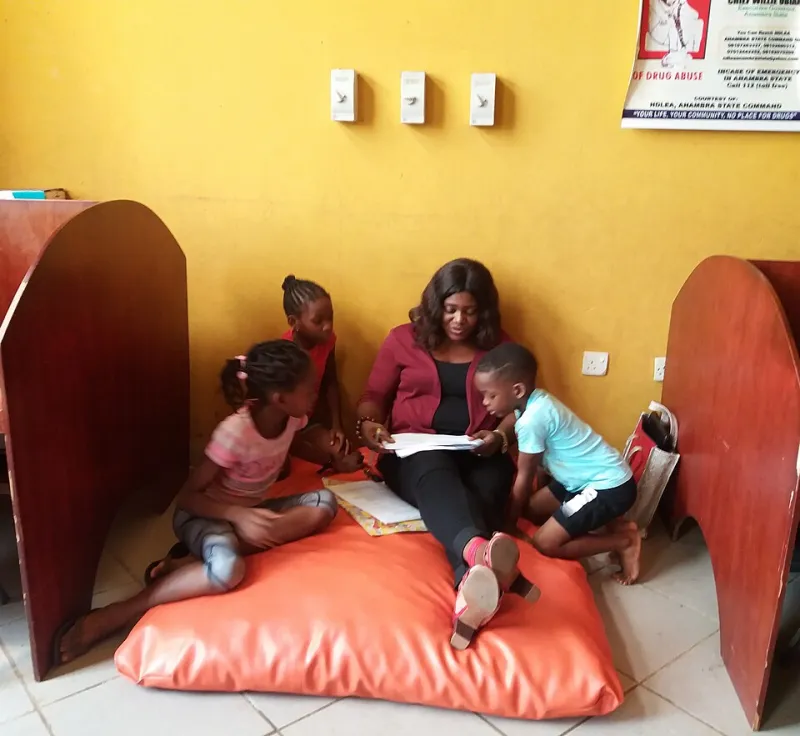
Photo: Mary Beth Heffernan, CC BY-SA 4.0, via Wikimedia Commons
The myth of the unencumbered artist is one of the most durable fictions in American cultural life. It imagines a practitioner with no dependents, no emergencies, no bedtime, no medication schedule, no one waiting at home. That artist does exist, but only as a category error. Most artists are embedded in webs of care. They raise children, support aging parents, accompany disabled family members, and manage households. The question is not whether care belongs in art. It is why institutions keep pretending it does not.
The Myth of the Unencumbered Artist
The myth is not neutral. It shapes who gets residencies, who gets studio time, who gets exhibitions, and who gets to be described as serious. A residency that requires three uninterrupted months in a remote location is not an opportunity for everyone. A studio program that offers twenty-four-hour access but no childcare is not neutral infrastructure. It is a filter. It selects for a particular kind of life and then calls that life the standard.
Artists have always made work under constraint. What is changing, in 2026, is the willingness to name care as a condition of making rather than a distraction from it. A growing number of practitioners are integrating caregiving into their work, not as subject matter alone but as a structuring principle. They work in short intervals. They bring children to the studio. They photograph the kitchen table. They make pieces that can be interrupted. They refuse the choice between being a good artist and being a good caregiver.
Care as Material, Not Interruption
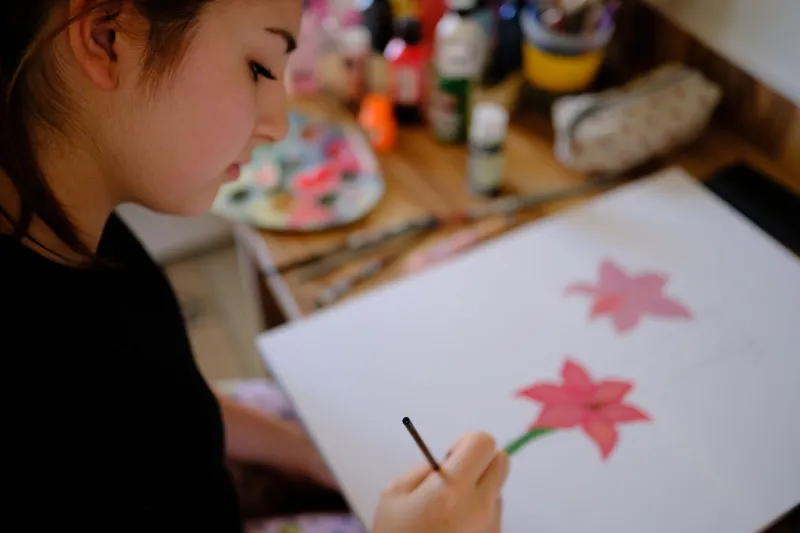
Consider the painter who works in twenty-minute increments between her father's medication rounds. Her canvases are small not because she lacks ambition but because the size fits the time she has. Consider the photographer who documents her disabled son's daily routines, not as a documentary project but as a shared language. Consider the choreographer who builds movement scores around the unpredictable rhythm of a household. These are not compromised practices. They are precise responses to real conditions.
This is not a sentimental argument. It is an argument about form. Caregiving produces its own temporalities, its own proximities, its own ethics of attention. Artists who work inside those conditions are not making work despite care. They are making work with care. The difference matters because it challenges the institutional assumption that art requires a clean break from domestic life. For many artists, there is no clean break. There is only the kitchen table, the notebook, the short burst of work before the next appointment.
Residencies That Account for Bedtime
Emerging residency models are beginning to take this seriously. Some offer stipends for childcare or eldercare. Some provide family housing. Some allow artists to bring dependents, not as an exception but as a norm. Others shorten residency periods or allow remote participation. A few are experimenting with on-site care, though that remains rare. The most effective programs do not treat care as a special accommodation. They build it into the structure.
This is where institutions often stumble. They offer a childcare stipend but schedule mandatory events at night. They provide family housing but no accessible kitchen. They advertise flexibility but require a final exhibition on a fixed date. Care-centered residencies require more than a line item. They require a different theory of time. They require staff who understand that a caregiver's schedule is not an inconvenience but a reality to design around.
What Institutions Owe
The demands are not radical. Pay caregivers. Fund childcare and eldercare stipends. Offer family-friendly studios. Allow flexible timelines. Stop equating seriousness with uninterrupted presence. Provide accessible spaces. Include caregiving artists on selection panels. Recognize that parenting and care work are not private problems to be solved by individual artists but public conditions that shape cultural production.
There is also a deeper demand: stop pitying caregivers. Pity is not support. Caregivers are not asking to be rescued from their lives. They are asking for institutional structures that do not require them to choose between their work and the people they love. That choice is not inevitable. It is a design flaw.
The Kitchen Table Studio
The studio is not always a room. Sometimes it is a corner of a kitchen, a laptop on a counter, a sketchbook beside a hospital bed, a camera on a tripod in a living room. These are not lesser sites. They are where art is actually made. The movement to center care in cultural institutions is not about lowering standards. It is about telling the truth about how work gets made and who gets to make it.
In 2026, the most radical thing an arts organization can do may be to ask a simple question: what would it take for this artist to say yes? If the answer includes childcare, eldercare, accessible housing, or a schedule that respects bedtime, then that is the answer. The artist is not the problem. The structure is. And structures can be changed.