The Stacks Are Alive: Why Public Libraries Are Becoming America's Most Honest Art Spaces
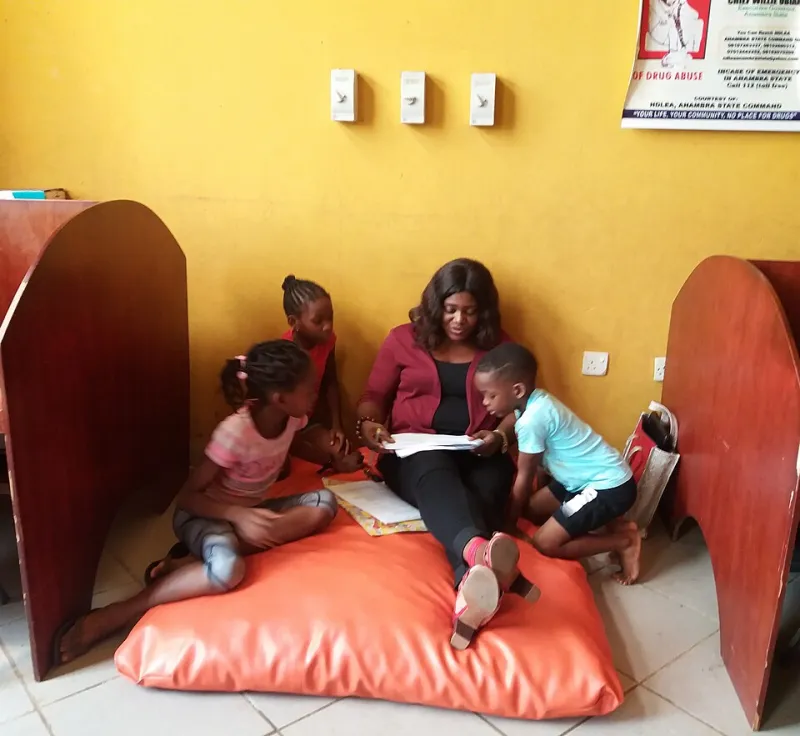
Photo: Ngostary2k, CC BY-SA 4.0, via Wikimedia Commons
The most consequential art venue in America may be the one with the overdue-notice clipboard. Public libraries in small and mid-sized cities have quietly become exhibition spaces, performance halls, residency sites, and community studios. The people curating them are not usually called curators. They are librarians, circulation clerks, youth services coordinators, and facilities managers. And they are building something museums often talk about but rarely achieve: an audience that looks like the actual public.
The formula is not glamorous. It is a reading room with good light, a display case near the entrance, a meeting room that can be cleared for a performance, a wall that can hold a show without compromising the books. But the ethos is distinct. Librarians curate for use, not for prestige. They ask who is already in the building and what they might want to see. Artists who show in libraries describe a different kind of attention: children who wander in, retirees who stay, teenagers who critique without a press release.
Here are five scenes where the stacks are alive.
Lawrence, Kansas: The Reading Room as Gallery
At the Lawrence Public Library, a local printmaker hung a series of linocuts along the wall behind the reading tables. There was no opening reception with a guest list. There was a table with a sign-up sheet for a free workshop. The artist spent two Saturdays teaching anyone who walked by how to carve a block. The library did not frame the work as a blockbuster. It framed it as a resource. The result was a show that reached people who would never buy a museum ticket, including a retired farmer who came back three times to talk about the prints.
Akron, Ohio: The Sound of the Stacks
In Akron, a sound artist installed a low, humming piece near the periodicals section. It was subtle enough to be mistaken for ventilation, which was the point. The library's programming coordinator paired it with a listening session in the auditorium, where patrons talked about the sounds they remembered from childhood. The artist later said the most useful feedback came from a teenager who asked why the piece was not louder. The answer became part of the work's next iteration. This is what community-first curation looks like: not a lecture, a conversation.
Boise, Idaho: A Residency With a Library Card
Boise Public Library has experimented with short residencies that give artists a desk, a meeting room, and a modest stipend. The requirement is simple: be present. One resident, a book artist, set up a portable binding station in the lobby and made blank journals with anyone who wanted to learn. Another, a photographer, documented the library's daily life and exhibited the portraits in the same hallway where patrons waited for computers. The residency does not come with a studio in the traditional sense. It comes with a public. That is the trade.
Providence, Rhode Island: The Zine Archive as Stage
At a branch library in Providence, a zine collection became the seed for a performance series. A local poet organized readings in the periodicals room, with a microphone borrowed from the teen center and chairs pulled from the community meeting room. The series drew a mix of students, older patrons, and people who had never been to a poetry reading. The librarian's contribution was not curation in the art-world sense. It was hospitality: staying open late, making coffee, and knowing which regulars would appreciate a nudge to attend.
Tucson, Arizona: The Microcinema in the Children's Wing
In Tucson, a filmmaker partnered with a children's librarian to screen short animated films on a projector cart. The screenings were free, short, and loud. Kids voted on their favorites with stickers. The filmmaker used the feedback to shape a longer work, and the library used the series to bring families into the building on Saturday mornings. The project was not funded by a major grant. It was funded by a small community arts grant and the librarian's willingness to move furniture.
What Librarians Know That Museums Forget
Librarians know that access is not a policy statement. It is a set of small decisions: where the sign is placed, whether the room is warm, whether the staff knows your name, whether the program happens when you can actually come. They know that audiences are not consumers but neighbors. They know that a show in a reading room will be seen by people who did not plan to see art that day.
That is the quiet power of the library as art venue. It does not ask art to be more exclusive than it is. It asks art to be part of daily life. In 2026, as cultural institutions continue to debate relevance and accessibility, the library is not debating. It is hosting. It is open. It is already doing the work.